

Seithati Motsoeneng
THE Renoka initiative, a flagship human capacity-building programme in water resource management, has officially come to an end, leaving behind a strong legacy of resilience, innovation and regional collaboration.
Launched in 2021 at the height of the COVID-19 pandemic, the programme overcame significant disruptions to education and training to produce a cohort of highly skilled graduates. Its success marks a notable contribution to Lesotho’s national development goals and long-term environmental sustainability.
Implemented during a period of global uncertainty, the initiative demonstrated the commitment of local academic institutions and stakeholders to strengthening expertise in critical sectors despite challenging conditions.
At the centre of the programme was the Master of Science (MSc) in Integrated Catchment and Water Resource Management (ICWRM), alongside a series of short courses. The curriculum was delivered through a partnership between Lerotholi Polytechnic, the National University of Lesotho, and the Lesotho Agricultural College.
Over the course of the programme, 20 postgraduate students were enrolled, with two progressing to PhD studies — a sign of its success in nurturing advanced academic and professional talent.
The ICWRM curriculum has been widely praised as a milestone in Lesotho’s higher education sector. Its alignment with national priorities and the Sustainable Development Goals underscores its relevance, particularly in addressing pressing issues such as climate change, water conservation, land degradation, biodiversity and ecosystem resilience.
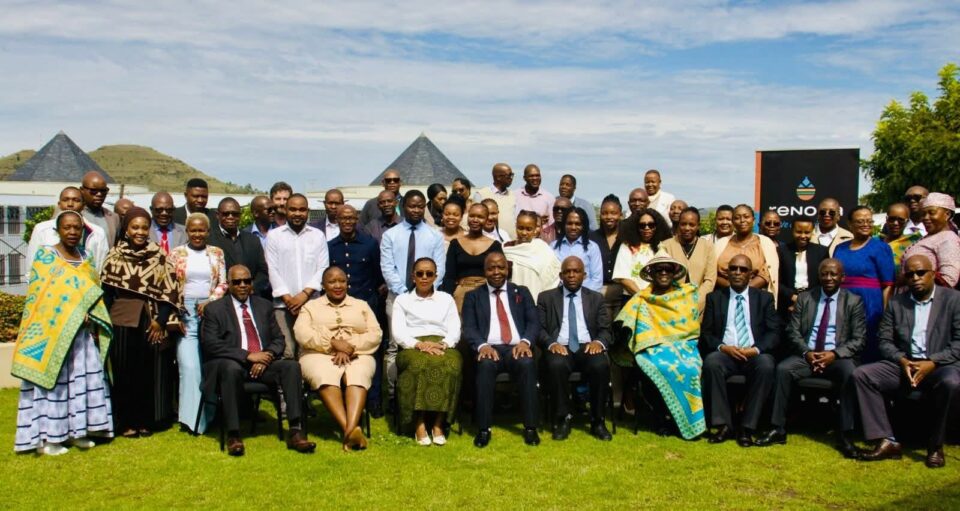
Speaking at the closing ceremony in Maseru on Thursday, Senior Quality Manager at the Council on Higher Education, Litšabako Tšoene, commended the programme for strengthening student capacity and promoting resilience in water ecosystems. She noted that its focus on climate change and water governance aligns with both national priorities and broader regional and global efforts.
However, stakeholders say there is still room for improvement. Lerotholi Polytechnic lecturer, Dr Liphapang Khaba, pointed out that much of the coursework remains heavily theoretical, limiting its practical application for postgraduate students and industry practitioners.
“Most of our courses lack the practical component that industry practitioners seek,” Dr Khaba said, calling for stronger collaboration between academic institutions and industry players.
He suggested the inclusion of evidence-based decision-making tools, such as multi-criteria decision analysis, to better prepare graduates for real-world challenges.
Dr Khaba also highlighted institutional capacity constraints, particularly at executive management level, which affect the rollout of new curricula and innovative teaching methods. He stressed the importance of strengthening partnerships with the private sector, including consultants and industry experts.
Graduates of the programme have praised its transformative impact. Alumna, Tšepang Ngatane, said the training underscored the importance of combining scientific research with community engagement.
“Scientific research is vital, but it cannot be divorced from community participation. Communities are not just beneficiaries; they are planners and key implementers, and their indigenous knowledge often provides the best solutions,” Ms Ngatane said.
She also emphasised the importance of transboundary water management, noting that effective stewardship requires cooperation beyond national borders.
“Water knows no boundaries,” she said, adding that the programme’s focus on governance and regional collaboration equips graduates to address such complexities.
Ngatane further highlighted the value of regional exposure through symposiums and international partnerships, which broadened participants’ understanding of shared environmental challenges.
A key strength of the ICWRM programme, she said, was its holistic approach, integrating land, water, ecosystems, governance and livelihoods.
“Graduating from this programme means we see the bigger picture,” she said. “It’s not just about water management, but about sustainable development, community resilience and policy integration.”