

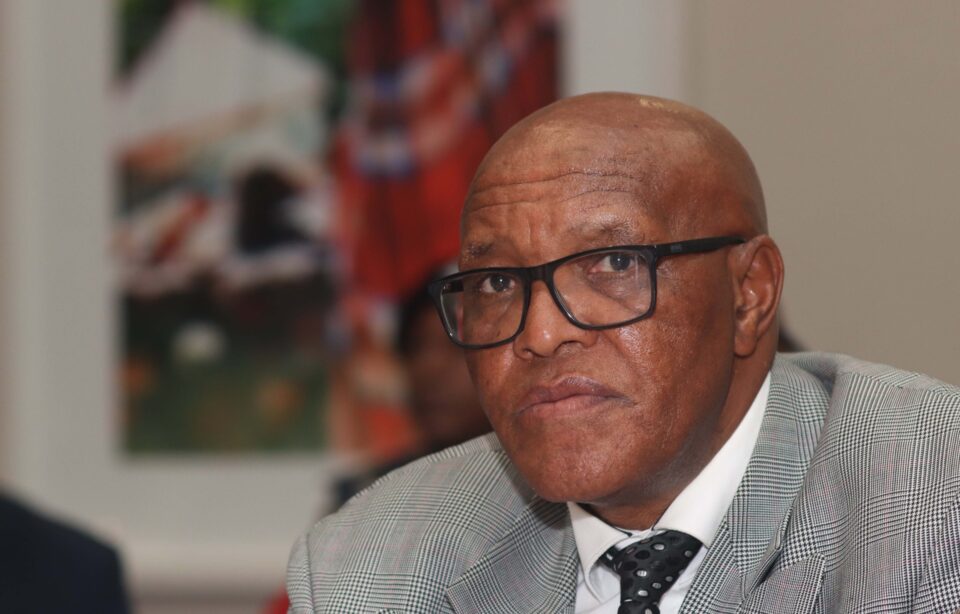
Dear Advocate Matsoso,
YOUR recent commitment to clean up corruption within the police service was both necessary and long overdue.
When you acknowledged before the Portfolio Committee on the Law and Public Safety Cluster a fortnight ago that bribery and misconduct have become entrenched within the ranks, you did more than admit a problem; you raised public expectations. Basotho now wait to see whether this moment signals genuine reform or merely another cycle of promises that fade without consequence.
The allegations contained in the recent Lesotho Times report concerning a drug manufacturing operation in Khubetsoana are deeply troubling.
According to multiple sources, police officers uncovered a crystal meth laboratory, made arrests, and confirmed the substance to be Crystal Meth through forensic testing—only for the case to seemingly vanish from official records. This is not a minor administrative lapse. It is, if true, a profound betrayal of the public trust and a potential obstruction of justice at the highest levels of law enforcement.
When allegations of this magnitude implicate those at the top—senior officers entrusted with leadership and oversight— the issue calls into question whether corruption is being tolerated, enabled, or even orchestrated within the very structures meant to combat it.
You have rightly expressed concern about junior officers accepting bribes at roadblocks. But the public mood is shifting. Basotho are increasingly unwilling to accept a reform agenda that appears to target only the lowest ranks while leaving senior officials untouched. Fighting corruption selectively is not reform—it is theatre. It risks creating the impression that accountability is reserved for the powerless, while the powerful remain insulated.
The Khubetsoana case, as described, paints a picture of deliberate inaction. A raid was conducted. Suspects were apprehended. Evidence was gathered and tested. Yet, inexplicably, there has been no prosecution, no official acknowledgment, and no clarity from police leadership. Instead, there are denials, deflections, and a conspicuous silence that only deepens suspicion.
This is precisely the kind of case that tests your resolve.
If your vow to clean up the police service is to carry any weight, it must begin here. It must involve an independent and transparent investigation into the handling of this matter. It must determine whether due process was followed, why the case has not proceeded to court, and whether any officers—regardless of rank—have acted improperly or unlawfully.
Anything less will reinforce a dangerous perception: that corruption within the police is not being eradicated, but managed.
Beyond the institutional implications, there is a human cost that cannot be ignored. Crystal meth is not just another illicit substance; it is a highly addictive drug with devastating consequences for individuals, families, and communities. Parents across Lesotho are grappling with the anguish of children trapped in addiction, watching helplessly as lives unravel. The idea that a major drug operation could be uncovered and then quietly buried is not just shocking—it is cruel.
It suggests that those entrusted with protecting society may be complicit in its harm.
Adv Matsoso, leadership in this moment requires more than statements of intent. It requires visible, decisive action. It requires confronting uncomfortable truths within your own ranks and demonstrating that no one is above the law. It requires restoring confidence in a police service that many Basotho now view with skepticism.
You have indicated that resources have been allocated to fight corruption internally. That is commendable. But resources alone do not guarantee results. What matters is how they are used—and whether they are directed toward meaningful accountability or merely administrative exercises that leave underlying problems intact.
This is an opportunity to set a precedent. To show that your leadership marks a turning point. To demonstrate that the police service is capable of self-correction and integrity. Failure to act decisively will deepen cynicism and erode what little trust remains.
The choice is yours.
A glance at Basotho’s comments on the Lesotho Times expose will show you that Basotho were aware of the bust, and the continued police presence at the crime scene, but were too afraid to ask why there had not been any prosecutions.
Basotho do not expect perfection. But they do expect honesty, accountability, and courage. They expect a police service that enforces the law impartially and protects the vulnerable without fear or favour.
The Khubetsoana case has placed a spotlight on the gap between those expectations and current realities. Closing that gap will define your tenure.
We urge you to act—swiftly, transparently, and without compromise.
The credibility of the police service depends on it.
Relief for illegitimate children long denied justice