

—As climate change ravages the critical water source that feeds four nations
Moroke Sekoboto
CLIMATE change is expected to drastically affect rainfall patterns in the Orange-Senqu River Basin, a critical water source shared by four nations – Lesotho, South Africa, Botswana and Namibia – potentially disrupting fresh water supplies to these states.
This could lead to more frequent and intense droughts and floods, potentially drying up water resources in the basin.
The basin is already experiencing significant water scarcity challenges, and climate change is projected to exacerbate the problem.
The Intergovernmental Panel on Climate Change (IPCC) predicts a decrease in precipitation and surface runoff in the region, particularly impacting groundwater recharge.
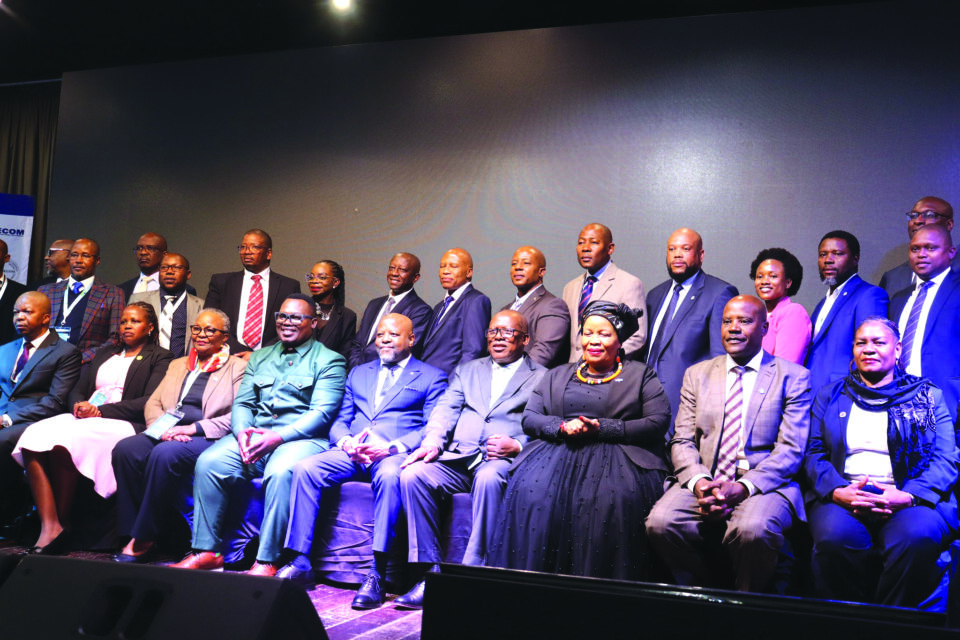
In response, the Orange-Senqu River Commission (ORASECOM) convened a conference in Maseru on Thursday, bringing together government representatives, the private sector, and other stakeholders to advocate sustainable management initiatives addressing the growing challenge of water scarcity in the basin.
Speakers at The Climate Resilient Investment Conference spoke of the urgent need for action to protect the basin.
Lesotho is a key ORASECOM partner, as the Orange-Senqu River originates in the Lesotho highlands. The river flows through four countries – Lesotho, South Africa, Botswana, and Namibia – and Lesotho contributes a significant portion of the total water volume, making it a crucial player in managing the shared resources.
Ministry of Natural Resources Principal Secretary, Relebohile Lebeta, said if the challenges facing the basin due to intensifying climate change were left unaddressed, increasing water demand, coupled with the deteriorating water quality could have serious implications for livelihoods, ecosystems, and economic activities across the basin.
This could potentially exacerbate political and economic tensions among the basin states, Ms Lebeta said.
“Our efforts to protect the Orange-Senqu River, are driven by the high variability of rainfall resulting from climate change, which has adversely affected the basin,” Ms Lebeta said.
As the executing agency, ORASECOM is spearheading key infrastructure projects, including the Lesotho–Botswana Water Transfer Project involving Botswana, Lesotho, and South Africa, as well as the Noordoewer-Vioolsdrift Dam Project between Namibia and South Africa.
Ms Lebeta noted that some implementation timelines for the projects extended to 2050.
“To optimize the socio-economic advantages of these investments, it is crucial that environmental sustainability and water resource management are prioritized.”
ORASECOM Executive Secretary, Comfort Molosiwa, said that the resulting Basin-Wide Investment Plan identified 37 short, medium, and long-term interventions estimated to require $7.9 billion.
These ranged from dams and pipelines to irrigation systems and water management actions aimed at ensuring water security, supporting development, and safeguarding ecosystems.
Minister of Natural Resources, Mohlomi Moleko, highlighted the national, bilateral, and regional nature of the projects, offering diverse financing and partnership opportunities.
South Africa’s Deputy Minister of Water and Sanitation, Sello Seitlholo, acknowledged that the Climate Resilience Strategy and Plan “recognizes the need to optimize and implement efficient water resource development and management in the basin, given the high variability in precipitation due to climate change”.
Mr Seitlholo observed that the development of new infrastructure to meet increasing water demands, although technically and environmentally feasible, “is both expensive and complex”.
He emphasized “the importance of integrating water resources yield analysis, development planning, and economic optimization to ensure the development of short, medium, and long-term solutions, to address the basin’s water resources needs and development challenges”.
The main sponsor of the conference, Standard Lesotho Bank (SLB)’s CEO, Samuel Seboka, encouraged the private sector to invest in climate resilience initiatives, underscoring the need to drive sustainable development in Southern Africa.
Mr Seboka highlighted the Lesotho Botswana Water Transfer Project and the ORASECOM Climate Resilience Investment Conference as “examples of investments in water security to power economic growth and protect the environment”.
Over 120 participants from the region attended the conference, all underscoring a shared commitment to driving sustainable development in the vital Orange-Senqu River Basin.