

…over proposal for short-term contracts
Kabelo Masoabi
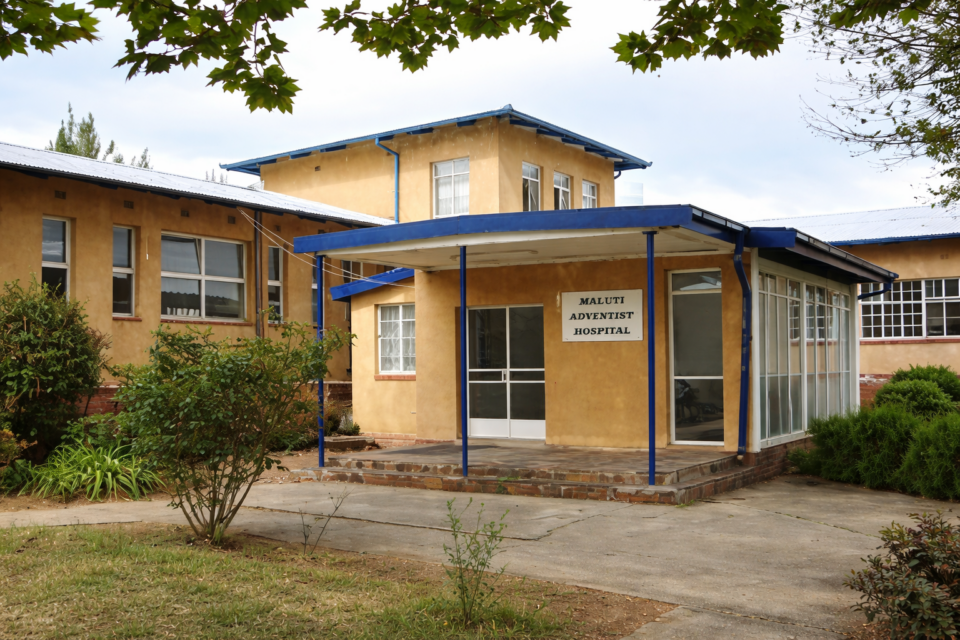
TENSIONS are mounting at Maluti Adventist Hospital in Mapoteng, Berea, following an alleged proposal by newly appointed Chief Executive Officer (CEO), Mamokobo Lebeko, to overhaul employment terms by scrapping permanent positions in favour of renewable six-month contracts.
The controversial move, which has triggered widespread anxiety among staff, was reportedly communicated during a series of departmental meetings convened last week.
According to employees who spoke on condition of anonymity, Ms Lebeko justified the decision as part of a broader strategy to improve staff performance and rein in escalating salary costs.
However, workers have strongly rejected the rationale, arguing that the hospital has historically maintained high standards of service delivery and performance. They point to its long-standing reputation as one of the country’s top-performing healthcare institutions, frequently rated among the best in Lesotho.
“This hospital has consistently delivered quality care and has been recognised for its excellence. It is therefore shocking that such drastic measures are being introduced without clear evidence of underperformance,” one employee said.
Staff members say they feel blindsided by the changes, particularly given that Ms Lebeko has only been at the helm for approximately four months.
“She has not been here long enough to fully understand the systems and challenges of the hospital, yet she is already implementing sweeping reforms that directly threaten our job security,” another worker said.
Ms Lebeko came in as replacement of former CEO Thabang Pulumo. It is not clear how Mr Pulumo left the institution.
The Maluti Adventist Hospital operates under the Christian Health Association of Lesotho (CHAL), an association of hospitals run by various churches across the country. It receives government subsidies to support healthcare delivery.
CHAL’s operational costs are funded by the government (70 percent), churches (20 percent), and patient fees (10 percent).
The government renewed its 2007 Memorandum of Understanding (MoU) with the Christian Health Association of Lesotho (CHAL) on 20 March, strengthening healthcare delivery in the country.
The updated agreement included government commitments to supply medical resources, align CHAL employee standards with those of civil servants in the health sector, and reduce NMDS loan repayments for CHAL staff from 65 percent to 50 percent. The government also undertook to clear CHAL’s M152 million debt, mainly owed for unpaid taxes and medicines.
CHAL, which provides about 40 percent of Lesotho’s healthcare through its network of facilities, had been facing financial and operational challenges in recent years.
And now Maluti employees argue that this arrangement binds the hospital to agreements ensuring that staff conditions mirror those in government facilities.
They argue that the new MoU guaranteed parity in employment conditions.
“We were under the impression that our terms of employment were protected under this agreement. Now we are being told that permanent contracts will be abolished. This raises serious questions about compliance with the agreement,” a staff member said.
These workers, who now fear losing jobs, say they are pinning their hopes on the Ministry of Health and CHAL to urgently intervene, warning that the situation is creating a climate of fear and instability within the institution. They said they were afraid to formally lodge complaints for fear of reprisal.
“People are stressed and demoralised. There is constant talk of retrenchment. Some employees have already been shifted to six-month contracts, and there are indications that salaries will be adjusted—some up, others down. It is causing confusion and division,” another employee said.
According to staff accounts, Ms Lebeko has defended the restructuring by highlighting financial sustainability concerns. She reportedly stated that approximately 70 percent of the hospital’s revenue was currently spent on salaries, a figure she considered unsustainable.
“She argues that salary expenditure should not exceed operational costs and wants to reduce it to around 50 percent. But the way this is being done is what we are questioning,” a worker explained.
Employees have also raised concerns about what they perceive as inconsistencies in the CEO’s approach to remuneration.
“She is telling doctors that their benefits are too high, yet at the same time it is understood that her own package is set to exceed everyone else’s. That sends the wrong message,” one staff member alleged.
Responding to the allegations, CHAL Executive Director, ’Makatleho Mohasi, indicated that the matter was new to her. She explained that while contracts for newly appointed employees may vary in terms, existing long-term contracts cannot be altered without undergoing appropriate and highly structured procedures. She further noted that no formal complaints had been brought to her office but assured that she would follow up on the issue.
Also contacted for comment, Minister of Health, Selibe Mochoboroane, likewise stated that he had not received any prior information regarding the complaints. He clarified that his ministry typically obtains such updates through CHAL and affirmed that he would engage with the organisation to establish the facts of the matter on Monday (tomorrow), now that it has been brought to his attention by this publication.
“The parties have reached a Memorandum of Understanding affirming that all health workers from CHAL and the government will be treated equally across the board. Furthermore, if the reported claims are substantiated, addressing underperformance by placing staff on short-term contracts would not constitute an appropriate or sustainable resolution,” Mr Mochoboroane said.
However, Ms Lebeko declined to talk to this publication when approached for comment, simply saying, “I have no comment”.