

…as Madiba fights back
Mohloai Mpesi
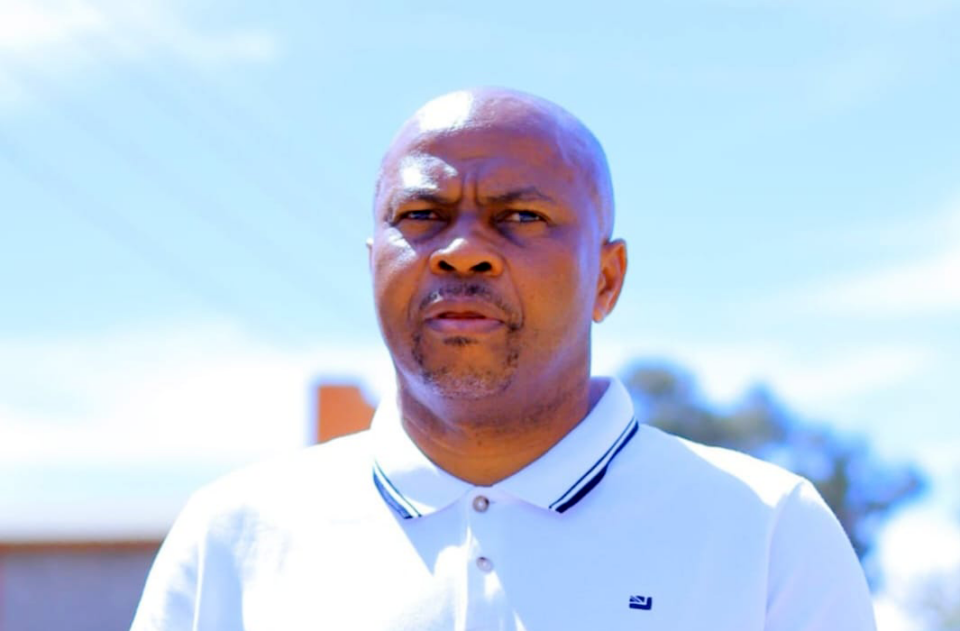
THE bitter power struggle at Naledi Funeral Planners (Pty) Ltd has deepened, with majority shareholder and current board chairperson, Thabiso Madiba, fighting to keep former chairperson, Malefetsane Tlelima, out of the company.
This follows a chaotic annual general meeting (AGM) held a fortnight ago at Thetsane Office Park, which has since landed the rival factions before the High Court’s Commercial Division.
Mr Madiba has filed an answering affidavit opposing an urgent High Court application brought by Mr Tlelima and other ousted board members, in which they seek an order to block their removal and restrain what they describe as an unlawful takeover of the company.
In his papers, Mr Madiba categorically denies allegations that he unlawfully assumed the chairmanship of the AGM by coercion or provocation.
Mr Tlelima, who was voted out as board chairperson during the AGM, maintains that the meeting descended into chaos after shareholders demanded the inclusion of additional items on the agenda. He claims that, acting on advice from the company secretary, Peter Matekane, he agreed to include the items under special resolutions.
However, Mr Tlelima alleges that tensions escalated, order broke down and he was forced to adjourn the meeting. He further claims that Mr Madiba unlawfully stood up and declared himself chairperson of the AGM, a move he describes as invalid and provocative.
In response, Mr Madiba disputes this version of events, stating that Mr Tlelima and his faction walked out of the meeting before it was lawfully adjourned.
“One of the things that transpired is that the deponent and his co-applicants decided to leave the meeting before it was lawfully adjourned,” Mr Madiba states.
He argues that the remaining shareholders, who constituted a clear majority of over 70 percent, proceeded with the AGM and adopted resolutions removing Mr Tlelima as chairperson and other co-applicants as directors.
“The respondents who remained proceeded with the meeting and made certain resolutions, which include, among others, the removal of the deponent and his co-applicants from the directorship of the company,” he says.
The dispute is further complicated by allegations surrounding Mr Matekane, Naledi’s company secretary and a suspended senior official in the Directorate on Corruption and Economic Offences (DCEO). He has been accused by shareholders of double-dipping by working at Naledi while still employed by the state, and of frustrating efforts to remove Mr Tlelima from office
Mr Madiba also takes issue with Mr Tlelima citing Naledi Funeral Planners itself as one of the applicants in the court proceedings.
“The deponent and his co-applicants can therefore not claim to have resolved to bring proceedings in the name of the company. The company is therefore not properly joined as an applicant in these proceedings.
“Only the individual applicants, barring the company, have a personal interest in these proceedings. To the extent that the applicants have failed to join the company as a respondent, they are guilty of non-joinder of a necessary party,” he argues.
On the disputed agenda items, Mr Madiba insists that the matter should simply have been put to a vote, as required by the company’s Articles of Incorporation.
“The simple matter that should have happened was that, under the chairmanship of the first applicant himself, a vote ought to have been undertaken to determine the matter.”
He accuses Mr Tlelima of deliberately delaying proceedings by quarrelling over the order of business, despite the fact that only two hours had been booked for the AGM.
“They were delaying the discussion of the agenda in whatever order until the time allocated for the AGM would have expired,” Mr Madiba states.
He further alleges that Mr Tlelima acted beyond his powers by refusing to allow a poll when one had been demanded by shareholders.
“In fact, the first applicant was acting ultra vires the Articles of the Company by not ordering a poll. Article 59 specifically provided an answer to the disagreement concerning the order of business,” he says.
The matter remains pending before the High Court.