

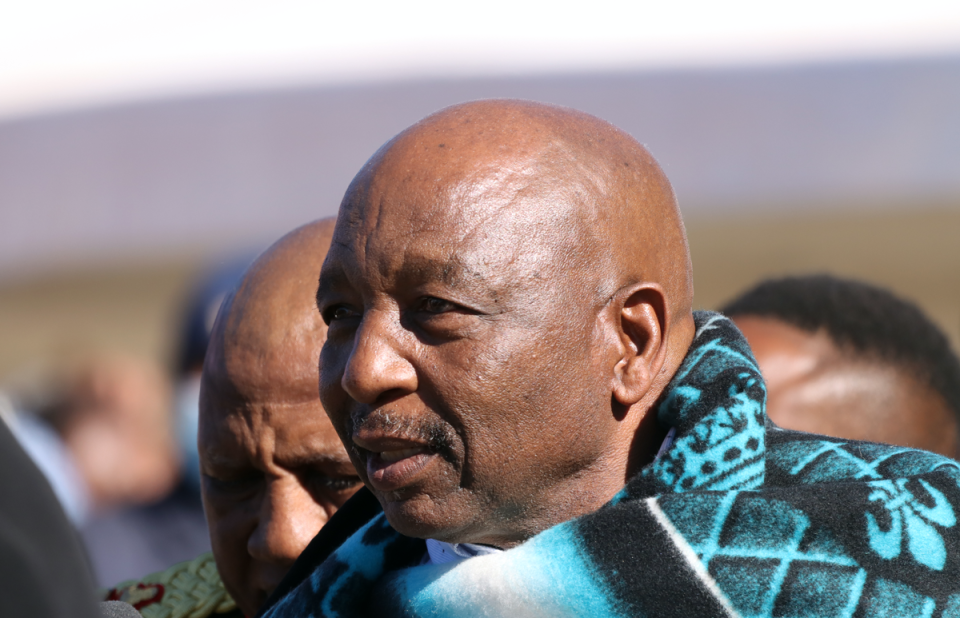
…as 100 families are set to benefit from solar-hybrid project
Seithati Motšoeneng
SEMONKONG residents have welcomed a major government intervention aimed at addressing the town’s chronic electricity problems, after Prime Minister Sam Matekane launched a M78 million hybrid solar power project on Friday.
For years, the mountain community has endured erratic electricity supplies, with power often cut at 10pm and restored only at 8am. At times, the town has gone for days without electricity, crippling businesses and disrupting essential services.
The new project, supported by the World Bank, will combine a refurbished mini-hydropower plant with solar generation, battery storage and a standby diesel generator to ensure a more reliable electricity supply.
Speaking at the launch, Mr Matekane said Semonkong had been declared a town many years ago, and that a 220-kilowatt hydropower station was constructed there in 1990.
He said the facility had since deteriorated and was no longer capable of meeting the town’s growing electricity demand.
“The station depended heavily on generators, which were costly to run and contributed to pollution. That is why we are moving to a more sustainable and reliable system for Semonkong,” Mr Matekane said.
Under the project, the existing hydropower station will be refurbished and supplemented with a solar generation component and a battery storage system. A diesel generator will provide backup during periods of low water levels or high electricity demand.
Mr Matekane said the upgrade was expected to connect about 100 households in and around Semonkong to a more stable electricity supply.
The project forms part of the government’s broader drive to expand access to electricity across the country. The premier said government had set a target of achieving universal electricity access by 2030, adding that feasibility studies were under way for an 80-megawatt hydropower station in Oxbow, as well as another hydropower project in Mohale’s Hoek.
“These investments are intended to reduce Lesotho’s reliance on imported power and ensure we can generate enough electricity to meet domestic needs,” he said.
Acting World Bank Country Representative for Lesotho, Mafupu Mokoena, said the institution was proud to partner with government on the Semonkong project.
“This project reflects a shared commitment to improving livelihoods and building resilience in communities facing unique geographical challenges,” Ms Mokoena said. “We expect it to have a direct impact on education, health facilities, tourism enterprises and small businesses.”
She urged residents to safeguard the new infrastructure and ensure it is properly maintained.
“The success of this investment will depend on how well we protect and maintain the equipment, so that it serves generations to come,” she said.
Local leaders said the intervention had come at a critical time. Member of Parliament for Maletsunyane, Peiso Kelane, told the gathering that unreliable electricity had severely constrained economic activity in Semonkong.
He recalled a two-month blackout that forced several businesses to close. Mortuaries were among the worst affected, he said, as they were forced to suspend operations and transport bodies to Maseru because they could not maintain refrigeration.
“Investors keep asking one question before they commit to Semonkong: will there be electricity? Without stable power, we cannot create jobs, we cannot grow tourism, and we cannot keep our businesses open,” Mr Kelane said.
The Semonkong solar system currently provides about 14 hours of power a day. Community members said they hoped the new hybrid system would finally bring an end to the town’s long-running electricity crisis.