

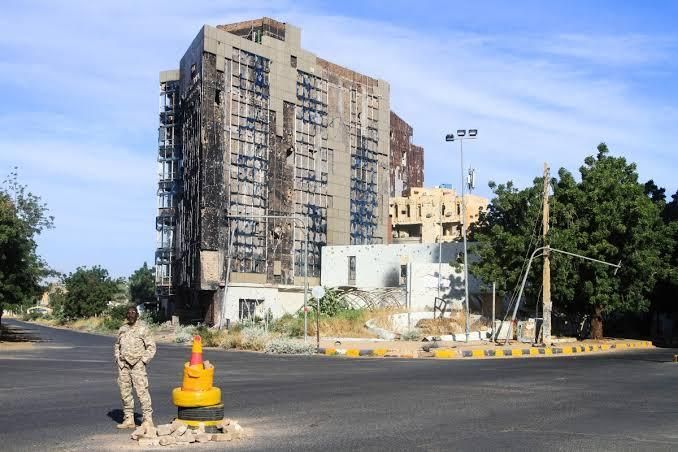
Sudan is confronting a worsening public health emergency as seasonal rains, damaged sanitation systems and the continuing civil war create conditions for dengue fever and malaria to spread.
The conflict between the Sudanese Armed Forces and the Rapid Support Forces, which began in April 2023, has devastated hospitals and clinics while forcing millions of people from their homes. Estimates cited by IOL put the death toll at nearly 200,000. The United Nations says more than 14 million people have been displaced and over 30 million need assistance.
In Blue Nile Region, reports from local Emergency Response Rooms and Darfur24 said recorded dengue infections in Damazin and Roseires had exceeded 6,000 by September 30. The increase came during the rainy season, when standing water provides breeding sites for mosquitoes and disrupted municipal services make prevention more difficult.
The latest figures mark a sharp deterioration from July, when the regional emergency and epidemic-control director, Bilal al-Daw Qajja, reported 681 confirmed dengue cases and more than 600 suspected infections since June. One death had been recorded in hospital at that stage.
Health facilities are now struggling with shortages of medicines, diagnostic supplies and trained staff. Treatment and testing costs have also risen beyond the reach of many families. Displaced people living in crowded shelters face particular danger because mosquito control, clean water and access to early treatment are limited.
Malaria remains another major threat. The report said Sudan records more than three million malaria cases a year and an average of about two deaths a day, with children under five and pregnant women among those most at risk. The overlap of malaria and dengue can also complicate diagnosis because the two illnesses may initially present with similar symptoms.
The war has severely reduced the country’s ability to contain outbreaks. Local and international estimates cited in the report indicate that more than 60% of health facilities in conflict-affected areas are partly or completely out of service. Thousands of health workers have also been displaced or have left their posts.
Public health specialists and aid organisations have repeatedly warned that disease control depends on more than emergency deliveries. Restoring clinics, securing supply routes, draining stagnant water and protecting medical personnel are essential if authorities are to prevent local outbreaks from becoming a wider epidemic.
The crisis also underscores how Sudan’s war is killing beyond the battlefield. Even communities far from direct fighting are exposed when vaccination, surveillance, sanitation and routine care collapse. A durable response will require sustained humanitarian access and a political settlement that allows the health system to function again.
Source: Reporting was based on IOL. Featured image credit: Supplied via IOL.