

Water allocations in the Western Cape are being cut after dam storage fell below the Department of Water and Sanitation’s preferred operating benchmark, with government warning that using full allocations could raise the risk of shortages and mandatory restrictions from 2027.
Water and Sanitation Minister Pemmy Majodina announced a 7% reduction in domestic and industrial allocations and a 15% reduction for irrigation on Monday. The measures are expected to save 56.8 million cubic metres a year: 27.2 million from domestic and industrial users and 29.6 million from irrigation.
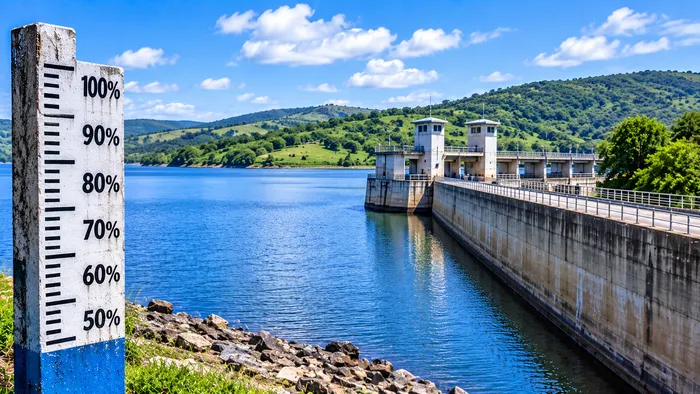
The Western Cape Water Supply System, which serves Cape Town, the West Coast, several towns and agricultural users, was at 72.5% of capacity on November 2, or 646.5 million cubic metres. A year earlier it stood at 84.4%, according to the department. The system’s preferred operating benchmark is 80%.
The department’s annual operating analysis says the interconnected system remains stable and can meet current requirements. But below-normal winter rainfall has reduced storage, and forecasts of a strong to extreme El Niño could bring higher temperatures, more evaporation and less runoff. The forecast adds risk; it does not mean shortages are already occurring.
Majodina urged municipalities, businesses, farmers and households to conserve water and avoid using their full allocations. Residents were also told to follow municipal restrictions already in place and report water wastage. The announcement did not set out a new household tap-restriction schedule; municipalities remain responsible for local rules.
The 2026/27 analysis is intended to protect reserves before conditions worsen. The department says it will continue tracking dam levels, climate and demand, and could take further steps if the situation deteriorates. The present storage level remains higher than during the severe 2016/17 drought, but officials say early demand management is needed to reduce the risk of more severe measures later.
Sources: IOL / Cape Argus; the Department of Water and Sanitation’s announcement, carried by SAnews.