

African countries must move quickly from exporting raw materials towards manufacturing value-added products, Egyptian President Abdel Fattah El-Sisi has told continental leaders.
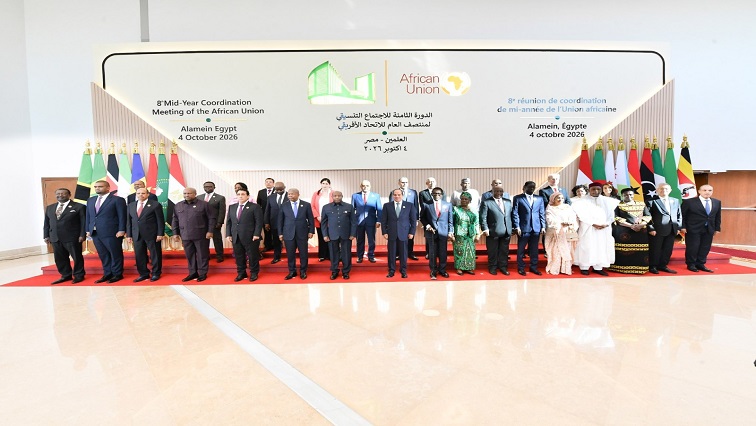
El-Sisi delivered the message at the close of the eighth African Union Mid-Year Coordination Meeting in New Alamein, Egypt, where heads of state and regional bodies reviewed economic integration and the implementation of major continental programmes.
SABC News reported that the Egyptian leader said Africa should no longer be treated merely as a consumer market. He described the continent as a promising partner in industry and technology.
The call reflects a long-running challenge for African economies. Many countries export minerals, agricultural goods and other commodities in their least processed form, while higher-value manufacturing and associated jobs are created elsewhere.
Building local processing industries could retain more income within producing countries, expand technical skills and reduce dependence on volatile commodity prices. It would also require reliable power, transport links, investment capital and trade rules that allow regional supply chains to grow.
El-Sisi also argued that growth cannot be separated from a fairer global financial system, saying African countries continue to face unequal financing conditions. High borrowing costs can restrict the infrastructure and industrial investment needed to turn raw resources into finished products.
South Africa was represented at the meeting by President Cyril Ramaphosa, who also chairs the Southern African Development Community. Ramaphosa met African Union Commission chairperson Mahmoud Ali Youssouf and other leaders to discuss bilateral and continental co-operation.
The African Continental Free Trade Area provides a framework for building larger regional markets, but its value will depend on practical implementation. Easier cross-border trade, common standards and better transport connections would give manufacturers access to the scale needed to compete.
The meeting’s message places industrialisation alongside financial reform as a central African priority. Progress will ultimately be measured by whether countries can convert their natural resources into stronger domestic industries, skilled employment and products sold across African and global markets.
Source: SABC News, 4 October 2026. Featured image: African leaders and dignitaries at the eighth AU Mid-Year Coordination Meeting in El-Alamein, Egypt. Credit: X/@PresidencyZA via SABC News.