

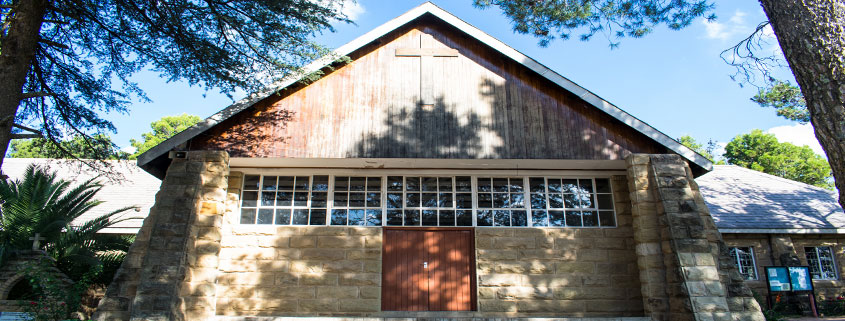
The Anglican Church of Southern Africa – Lesotho Diocese, a spiritual institution meant to embody moral leadership and social guidance, now finds itself entangled in an embarrassing and troubling financial scandal.
A debt of M5 million, alleged embezzlement of funds, missing pensions, unpaid taxes and accusations of political interference, paint a picture that no faith community should ever have to confront.
The revelations, contained in a letter from Reverend Maieane Makalo Khaketla to Bishop Vicentia Kgabe, raise pressing questions not only about the church’s internal governance but also about the integrity of some public officials implicated in shielding wrongdoers.
This matter has dragged on since at least 2016, with a commission of inquiry completed but its report mysteriously withheld from the very people it was meant to enlighten.
If the allegations are true, the withholding of Bishop Ndwandwe’s report by the Archbishop of Cape Town, Rev Thabo Makgoba, is inexcusable.
The church’s faithful have a right to know how their contributions were managed or mismanaged. Keeping the findings hidden fosters suspicion, fuels conspiracy theories, and erodes trust in church leadership. Transparency is not optional when the credibility of a faith institution is at stake; it is an absolute requirement.
Rev Khaketla’s demands for a forensic audit and for the Directorate on Corruption and Economic Offences (DCEO) to resume halted investigations are reasonable.
They are precisely the steps needed to begin restoring credibility and the church should embrace them without hesitation.
If there is nothing to hide, a thorough audit will vindicate the church’s leadership. If there is wrongdoing, those responsible must be held to account, whether they wear clerical collars or hold political office.
The more disturbing dimension of this saga is the alleged interference by senior political figures, including former Deputy Prime Minister Mothetjoa Metsing, in the DCEO’s work. These allegations, which the current Police Commissioner Advocate Borotho Matsoso denies, strike at the heart of the rule of law.
If true, they reveal a dangerous entanglement between politics and religious affairs, undermining both state institutions and spiritual integrity. The DCEO, for its part, must resist political pressures and follow the evidence wherever it leads.
Beyond the political intrigue, the debt crisis has had very real consequences for clergy and church operations.
Priests are reportedly unpaid, pensions have allegedly not been remitted to Liberty in Cape Town since 2018, and the church owes the Revenue Services Lesotho despite monthly tax deductions being recorded on pay slips.
These are not abstract accounting anomalies — they are criminal breaches of trust that directly harm the livelihoods of those who have dedicated their lives to ministry.
Bishop Kgabe’s acknowledgement of the debt, while commendably frank, is not enough.
The faithful, and indeed the broader public, need more than confirmation of the problem – they need a detailed plan of action. This plan must include immediate steps for an independent forensic audit, cooperation with law enforcement, public release of all relevant reports, and clear timelines for debt repayment. Vague promises to “communicate once ready” only prolong the agony and risk further erosion of trust.
The Anglican Church in Lesotho is more than just a religious organisation but is a key moral and social actor in the nation’s life. Its schools, hospitals, and social programmes reach into communities where government services often fall short.
When such an institution is compromised by allegations of corruption and mismanagement, the damage extends far beyond the church walls. It weakens the moral fabric of society and emboldens those who believe that power, whether spiritual or political, can be exercised without accountability.
This is not the first time the church has faced such accusations, and it will not be the last unless fundamental governance reforms are implemented.
Financial oversight committees must be truly independent, annual audits must be mandatory and publicly available, and whistleblowers must be protected, not sidelined. The culture of secrecy that has allowed this scandal to fester must be replaced with one of openness and accountability.
This crisis is a test of moral courage for its leaders, both in Lesotho and at the highest levels of the Anglican Southern Africa.
Will they confront the truth, release the commission’s report, and cooperate with investigations? Or will they allow the shadows of secrecy and suspicion to deepen? The answer to that question will determine the future of the church’s financial health.