

Leemisa Thuseho
LESOTHO and South Africa are working towards easing trade between the two neighbours with the targeted establishment of smart, One-Stop Border Posts (OSBPs) in pursuit of smoother logistical ties in future.
The OSBPs form part of the World Bank-funded Lesotho Integrated Transport Trade and Logistics Project (LITTL-P).
Senior Economic Planner in the Ministry of Trade, Industry and Business Development, who is also the Focal Point for the Economic Cluster under the LSO/RSA Bi-National Commission (BNC) and the coordinator of Component II of the LITTL-P, Matšenki Mohapeloa, told the Sunday Express this week that the project is part of efforts to facilitate trade in goods between Lesotho and South Africa.
Last month Lesotho and South Africa signed a Joint Action Plan (JAP) towards implementing?the OSBP to boost integration between them.
The project is set to improve climate resilient regional connectivity along the Katse to Thaba-Tseka corridor and reduce the costs of trade at borders between the two countries.
Border delays, import regulations, and inadequate infrastructure have been amongst Lesotho’s biggest trade barriers for a long time.
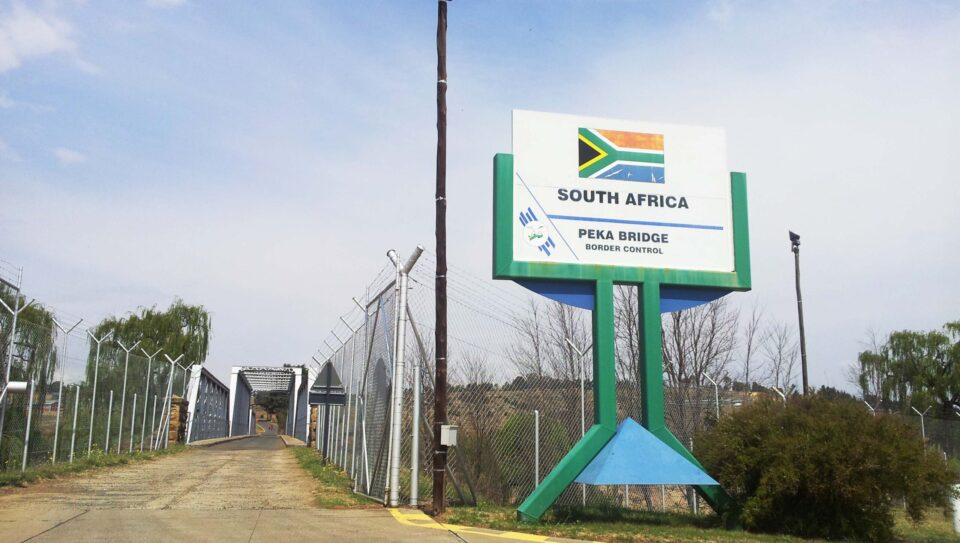
Mohapeloa said the project will see the establishment of smart, one-stop border post facilities at the Maseru Bridge and Maputsoe-Ficksburg borders first, since they are the busiest.
The Qacha’s Nek border post will also be upgraded.
“Having smart, one-stop-stop border posts means all the necessary customs and regulatory procedures will be consolidated at a single location, unlike now where the same procedures done on the South African side need to be repeated on the Lesotho side,” Mohapeloa said.
“The OSBPs will help to reduce the administrative burden on traders and expedite the clearance of goods across borders.
“The seamless digital trade will not only save time for traders but also reduce the costs associated with delays and bureaucratic inefficiencies. As a result, businesses can benefit from faster and more predictable trade processes, leading to increased competitiveness, economic growth and employment.”
“This not only benefits big companies but also SMEs (Small to Medium Enterprises) . . . it is also targeting women who are in business and have to export their goods.”
The modernisation of physical border infrastructure will include installation of smart border equipment, renovation of customs and immigration agencies’ buildings, gates, and other elements.
Inspection and laboratory testing facilities will also be established at the border posts to expedite inspection of passing trucks.
Climate controlled community-level sorting, packing, and storage facilities (a complete cold chain) will also be established.
?