

—As Precious Garments dodges shutdown
Moorosi Tsiane
Thousands of workers at Precious Garments (PTY) Ltd received a glimmer of hope this week after the company reversed plans for an immediate complete shutdown.
Instead, the 5000 employees will now rotate shifts, working alternate weeks to keep the factory running.
According to Potloloane Monare, deputy secretary-general of the United Textiles Employees Union (UNITE), the company informed workers in a Thursday meeting that it had secured enough orders to operate until September this year.
However, the volume of orders is too small to keep everyone employed full-time. As a result, staff will be split into two groups, each working every other week from June 23 until September 2025.
Last month, Precious Garments had warned of an imminent closure following the introduction of a crippling 50 percent tariff on Lesotho’s textile exports by the United States.
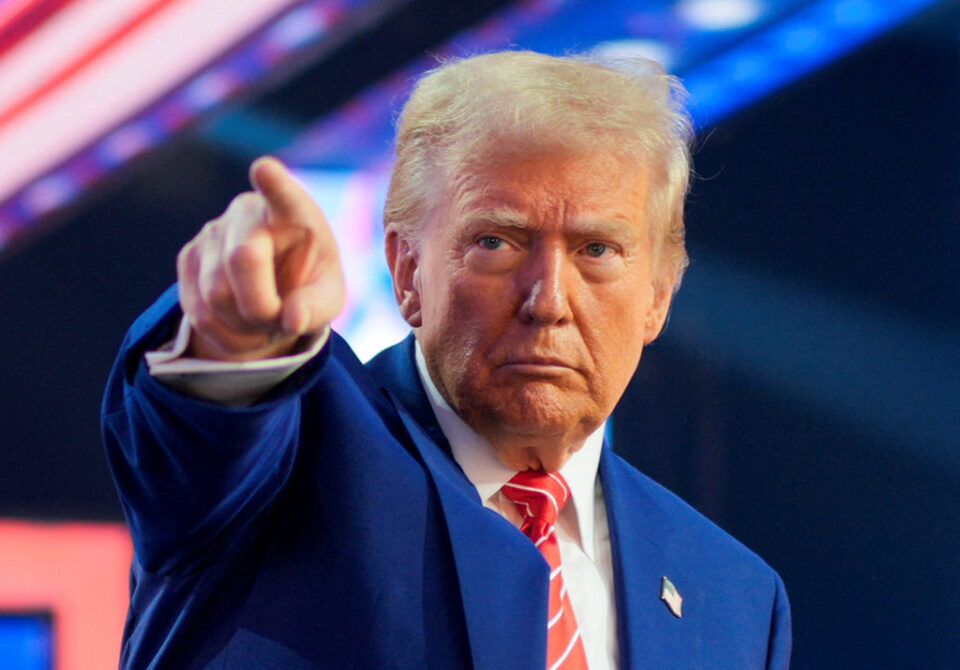
The tariffs, announced by President Donald Trump in April 2025, have significantly disrupted Lesotho’s textile industry.
Although the tariff increase has been suspended for three months to allow for negotiations, most American buyers have paused their orders, awaiting a final decision.
So far, Lesotho has not been invited to join the negotiations, and unless it secures favourable trade terms, the country faces continued uncertainty about the future of its textile exports.
Mr Monare said they have received encouraging feedback from the government, which informed them that the US has promised to reduce tariffs to 10 percent.
“We recently met with government officials who said they’ve engaged with the Trump administration and there’s an agreement to lower tariffs to 10 percent. Still, we’re waiting for an official confirmation before we comment further. For now, we’re relieved that jobs have been preserved as we continue to seek long-term solutions,” Mr Monare said.
He added that some subsidiaries of Precious Garments are still in crisis.
“The other factories that depend on Precious for business remain affected, but they are also working hard to address the situation.”
The 50 percent tariff introduced by President Trump was based on a formula factoring in each country’s trade deficit with the US and their total imports from America.
This approach hit smaller economies like Lesotho particularly hard, since they import little from the US.
The African Growth and Opportunity Act (AGOA) is central to these challenges.
Since 2000, AGOA has allowed Lesotho and over 30 other African countries to export goods to the US duty-free, transforming Lesotho into the largest garment exporter in sub-Saharan Africa and supporting more than 45,000 jobs, most of which are held by women.
However, this advantageous status is threatened. If the tariff suspension ends next month and the 50 percent rate returns, Lesotho’s textile industry could face near-total collapse.
1 comment
Tur Scripti
Comments are closed.