

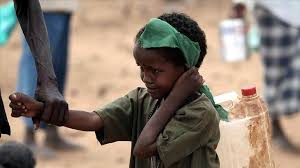
—as world marks Day Against Child Labour
Moroke Sekoboto
THE Lesotho Council of NGOs (LCN) has urged all sectors — government, civil society, communities, and families — to renew their commitment to eradicating child labour in the country.
In a statement marking the International Day Against Child Labour on June 12, LCN outlined the need for stronger enforcement of existing laws, increased reporting of violations, and the reinforcement of national child protection systems.
LCN stressed the importance of making education accessible to every child, particularly those from vulnerable and marginalised backgrounds.
“Education is not just a right, but a vital safeguard against exploitation and a foundation for children’s development and participation,” LCN said.
An umbrella body of civic groups, LCN called on all Basotho to unite in creating a Lesotho where every child can grow up safe, educated, and free from child labour.
Observed globally on June 12, the World Day Against Child Labour serves as a reminder of the ongoing fight to ensure no child is forced to work at the cost of their education and well-being. This year’s theme is, “Progress is clear, but there’s more to do: let’s speed up efforts.”
“In Lesotho, the Children’s Protection and Welfare Act of 2011 provides a strong legal framework to protect children from exploitative labour,” the LCN said.
The Act defines exploitative child labour as work that harms a child’s health, education, or development, and prohibits formal employment of children under 15, with violators facing heavy penalties.
The new Labour Act of 2024 further defines child labour as work that undermines a child’s dignity, potential, and well-being.
Section 10 specifically identifies work that endangers a child’s health, safety, or morals as among the “worst forms of child labour” for anyone under 18. Both laws are rooted in Lesotho’s Constitution, which guarantees freedom from slavery and forced labour.
“While it is a cultural tradition in Lesotho for children to learn responsibility through work, this must never be used to justify the worst forms of child labour,” LCN warned.
“There is a clear distinction, and communities must not turn a blind eye to practices such as child herding, where children are exploited and payment is made to guardians, especially after the loss of parents. Such violations must be promptly reported to authorities.”
LCN further urged Basotho to play their part in protecting children and ending child labour in Lesotho.
The United Nations Human Rights Council’s Universal Periodic Review, held in Geneva from 28 April to 9 May 2025, urged Lesotho to strengthen its efforts to eliminate forced labour and all forms of child labour.
Specific concerns highlighted included commercial sexual exploitation, cattle herding, and domestic service. The Council recommended increasing labour inspections and creating an effective, accessible, and child-friendly complaints system that is available nationwide, including in remote rural areas.
The report also noted that Lesotho’s Children’s Protection and Welfare Act is currently being amended. The amendment bill aims to harmonise all child-related legislation and the definition of a child.
Efforts have been made to eliminate all forms of discrimination against children by repealing discriminatory clauses, especially those affecting girls, with the exception of inheritance laws.
Additionally, the bill removes any reference to “justifiable” discipline of children, thereby making corporal punishment illegal in all circumstances.
Globally, nearly 138 million children were involved in child labour in 2024, with about 54 million engaged in hazardous work that threatens their health, safety, or development, according to new estimates from the International Labour Organization (ILO) and UNICEF.
While there has been a reduction of over 20 million child labourers since 2020, reversing an earlier increase from 2016 to 2020, the world has still fallen short of its goal to eliminate child labour by 2025.