
Mathatisi Sebusi
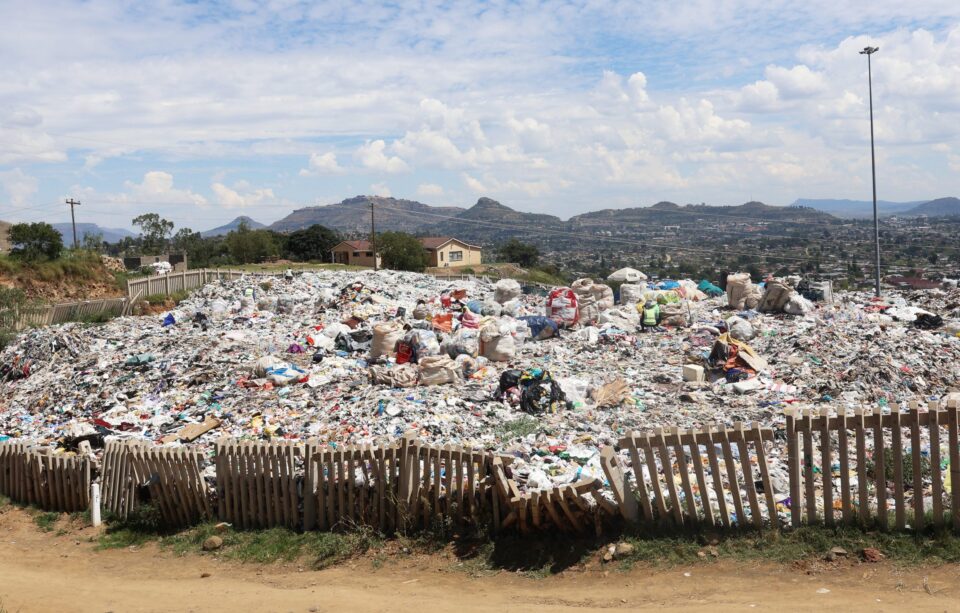
THE Ha Tšosane community and the Maseru City Council (MCC) have reached an out-of-court settlement that will see the long-contested Tšosane dumpsite permanently closed, relocated and rehabilitated.
The agreement, reached on Wednesday, follows years of legal disputes over the site’s environmental and health impacts on nearby residents.
According to the settlement, the dumpsite will be moved to Tšoeneng, where a new, fully engineered sanitary landfill will be constructed. The existing Tšosane dumpsite will undergo full rehabilitation and will ultimately be converted into a public park.
The community had in 2022 petitioned the Constitutional Court seeking the removal of the dumpsite from Ha Tšosane, accusing MCC of violating their constitutional rights through continued dumping.
In their application, residents argued that the waste disposal activities infringed on their rights to a clean, safe, healthy, and sustainable environment, as well as their rights to dignity, property, private and family life, equality, and freedom from discrimination.
They further argued that MCC had unreasonably denied them access to environmental monitoring information, including pollution data and audits assessing the dumpsite’s long-term impact on their health and surroundings.
Represented by Advocate Fusi Sehapi, the community asked the court to order MCC to immediately cease dumping at Ha Tšosane, vacate the area, and restore the site to an environmentally sound state. They also demanded that all future waste disposal occur safely and in a regulated manner at Tšoeneng or another approved facility.
Residents additionally called for meaningful consultation on all decisions concerning the use of Ha Tšosane for waste disposal or any potentially hazardous activities. As an alternative remedy, they sought the relocation of families directly affected by the dumpsite, with government providing replacement homes equal in quality and value to their current dwellings.
In March 2023, a Constitutional Court bench of Justices Makara and Hlaele ruled in the community’s favour and ordered MCC to relocate the dumpsite to Tšoeneng. MCC failed to comply with this order, prompting Adv Sehapi to return to court earlier this year after a major inferno at the dumpsite sent thick smoke into the community. The court then directed the parties to negotiate a settlement and report back.
Adv Sehapi told the Sunday Express yesterday that the settlement will be presented before Justices Makara and Hlaele for endorsement as a court order.
In the settlement, both parties acknowledge the potential health risks—including air-, water-, and soil-borne diseases—that prolonged exposure to the dumpsite may have caused. They agreed on the need for comprehensive health and environmental assessments, led by qualified experts, to determine the extent of any harm and recommend appropriate remedies.
The parties further recognised the importance of engaging Ha Tšosane residents throughout the process and ensuring transparency and inclusivity in all interventions.
MCC and the relevant government departments have already developed a detailed project plan for stabilising, rehabilitating, and closing the current dumpsite, as well as constructing the new sanitary landfill at Tšoeneng.
“All parties agreed that the operation of the disposal site at Ha Tšosane has to be attended to and remedied in terms of this deed of settlement. The respondents shall remedy the situation by effectively implementing the project titled ‘Tšosane Dumpsite Stabilisation, Rehabilitation and Closure, and Tšoeneng Sanitary Landfill First Phase Design and Construction’. The detailed programme of works is outlined in the project plan submitted to the applicants (community).”
“Both sides agreed that the residents’ rights to a clean, safe, decent, and healthy environment—protected under Sections 27 and 36 of the Constitution of Lesotho, and Section 4 of the Environment Act of 2008—are legally enforceable and must be upheld,” the deed of settlement states.